[THE HISTORY OF COCKTAIL ERAS]
COCKTAIL DAWN
1806-1862
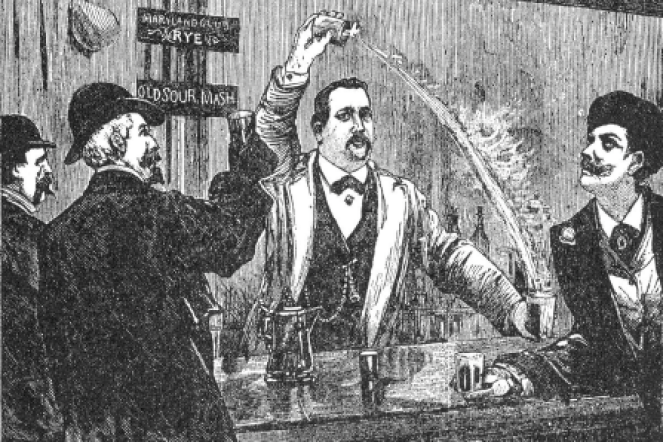
The 19th-century United States was a rather dull history. No famous writers, scientists, or artists. In this cultural void, something had to emerge that would place America in the role of a creator and a country capable of giving the world new art. The art of mixology.
Instead of haute cuisine, overpriced wines, and classic works, came alcoholic improvisation, light and free, like lively jazz.
The new American fashion for mixed drinks began to conquer the world, conveying the atmosphere of bars in the best hotel lobbies. Finally, a cocktail — a subject of new art with its own history, which would be retold to future generations — fell into people's hands.
Cocktails from this era: Sherry Cobbler, Mint Julep, Rum Butter Toddy.
• • •
GOLDEN AGE
1862-1920
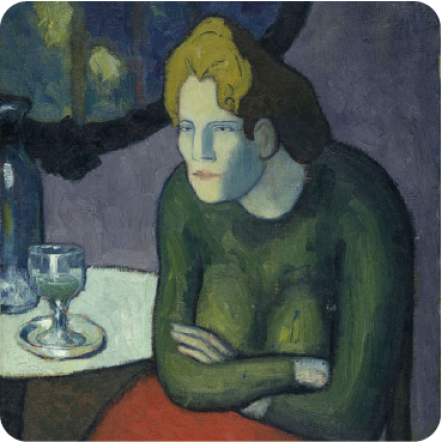
Golden Age. A time when people were introduced to the telephone, automobile, electric lamp, and airplane. Alongside these discoveries, equally important ones were taking place: Manhattan, Daiquiri, Martini, and a dozen more cocktails still ordered worldwide today.
Oh, people of that era knew how to entertain. Renowned bartenders created new combinations of alcohol with juices, liqueurs, and fruits.
Writers and politicians, actors and jazz musicians raised glasses from coast to coast at sports events, formal dinners and balls, ocean liners and yachts, bars, summer resorts, hotels, train cars, and private mansions.
A bartender was likened to a celebrity. It is said that Jerry Thomas, who published the first bartender's guide, earned as much as a vice president.
Truly, golden times!
Cocktails from this era: Clover Club, Singapore Sling, Sazerac, Grasshopper.
• • •
PROHIBITION
1920-1933
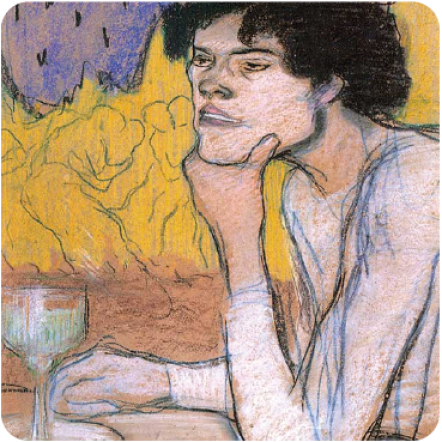
These were dark times. Religiously obedient wives literally demonized alcohol, believing it destroyed families and marriages. Factories and plants, which certainly did not want to bear the responsibility for drunken industrial accidents, joined their worried voices. In fact, they were right. It was becoming increasingly difficult to meet a sober person at noon. The "drink hard" trend had become a mandatory daily ritual.
In 1920, a boozy America entered a new era — the era of Prohibition. For 13 years, the production, sale, and transportation of alcohol were prosecuted by law. Yet, the habit of drinking did not disappear. It moved to underground "speakeasy" establishments, which had no signs and could be accessed through a disguised entrance (e.g., a phone booth). Bootleggers dispensed poor-quality alcohol, bartenders began to leave the US en masse, and many cocktail recipes were hopelessly lost.
Honestly, strange times. But even they left behind a few "Prohibition-era" cocktails that are served in various countries... and in our bar.
Cocktails from this era: Blood and Sand, 12 Mile Limit, Monkey Gland, Last Word, Bloody Mary.
• • •
AFTER PROHIBITION
1934-1968
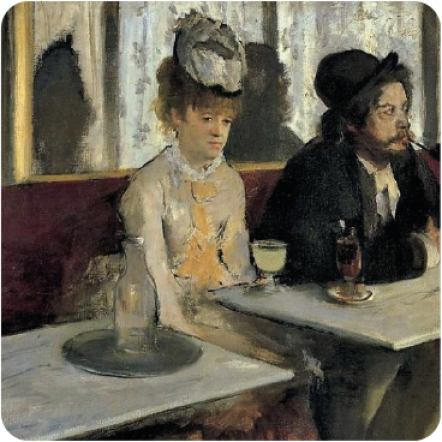
The era of Prohibition ended, and the opportunity arose to raise a good cocktail to the end of the ban. Moreover, post-war cocktail culture confidently began to stride around the world. Italians brought their herbal liqueurs to America, a European style of cocktails emerged, and Polynesian motifs penetrated the continent, giving rise to the tiki drink culture, served in quirky glasses.
Additionally, cocktails got all dressed up and appeared on the big screens. The mass audience first saw sparkling cocktails in "Casablanca," the perfect shake in "The Thin Man," and Bond with his legendary "shaken, not stirred."
Americans began drinking cocktails not only in bars. A glass of something alcoholic became a faithful companion to dinners in front of the TV, and later — at every family gathering.
Almost every housewife knew how to mix cocktails passably.
Meanwhile, packaged juices appeared in stores, and vodka with juice won love with its simplicity.
What did this lead to? Let's see in the next era.
Cocktails from this era: Brandy Alexander, Golden Cadillac, El Diablo, San Francisco (Cafe Royal), Vieux Carre, Mai Tai, Three Dots and A Dash, Irish Coffee.
• • •
DECADANCE
1969-1990
The late 60s. The hippie culture is in full bloom.
Your parents' friends gathered in the evening at home with a glass of Dry Martini don't interest you much. But you are interested in a sexy girl with flowers in her wavy hair, dancing to the guitar.
The hippie era is changing into the disco era. Club dances to fiery music last until the morning, and revelers want to quickly drink something brightly alcoholic and continue to tear up the dance floor. No one spends time meticulously mixing drinks, and unusual ingredients no longer matter. Instead, vodka with packaged juices or questionable-quality whiskey with fizzy sweet modifiers, dispensed straight from a soda gun, takes their place.
You pour something into a glass, press a button, decorate it all with a toxic red cherry and — voila, the cocktail is ready!
However, this era showed mercy and left us a few noteworthy cocktails.
Cocktails from this era: Bramble, Espresso Martini, Painkiller, Cosmopolitan, Tommy’s Margarita.
• • •
REVIVAL
1991-...
It seemed impossible to recover from what happened to cocktails during the era of decadence. But history is cyclical and, as often happens, it is changed by people. A few enthusiastic bartenders in different corners of the world decided to revive the legendary cocktail culture of the Golden Age.
Dale DeGroff ("King of Cocktails"), in his bar "Rainbow Room," revived the recipes of hundreds of classic mixed drinks, and his book "The Craft of the Cocktail" became a textbook for many followers. Bartender Sasha Petraske opened the bar "Milk & Honey," reviving the concept of speakeasies, which became very popular worldwide.
New cocktails are created, using scientific advancements, unusual local and craft ingredients. Global competitions and festivals are held, and the word "bartender" ceases to be associated with students and temporary jobs. A new professional emerges — a guide to the world of alcohol, the mysterious mixologist.
As we are used to — "happy end." Although... why "end"?
There are still so many evenings and nights for us to tell cocktail stories.
Cocktails from this era: Amaretto Sour, Naked and Famous, Gin Garden, Penicillin, Paper Plane, Pornstar Martini.
• • •